In the world of business, first impressions are paramount. I always say that landscape lighting is the “handshake” of a property. It transforms an ordinary building into a destination that feels safe, looks professional and stays functional after the sun goes down. Let’s break down how this looks for three big players: restaurants, hotels and commercial buildings.
Restaurants
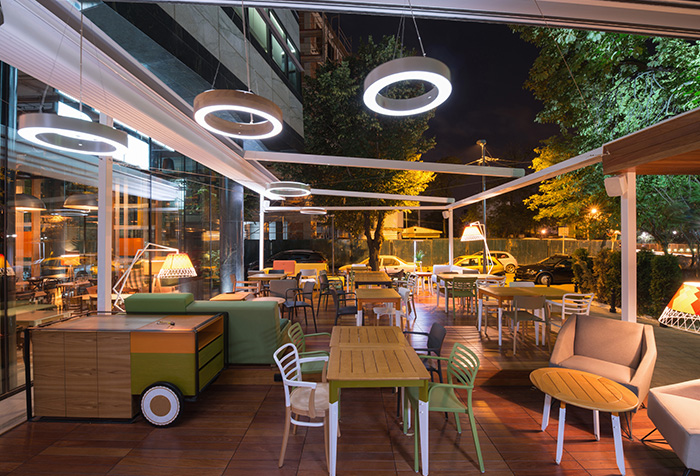
Restaurants live and die by their “vibe.” When guests see an inviting glow, they want to stay longer and maybe order that extra dessert. The big wins:
- Foot traffic: Good lighting pulls people in from the street.
- Focus: The right lights put the spotlight on your menu boards and your best landscaping features.
- Safety: Proper lighting keeps the parking lots and walkways clear and secure.
- Social media: In today’s world, a well-lit patio is a social media magnet.
Field notes and fixtures:
- Bistro style: Use string lights and pendants over the patio for that festive, cozy feel.
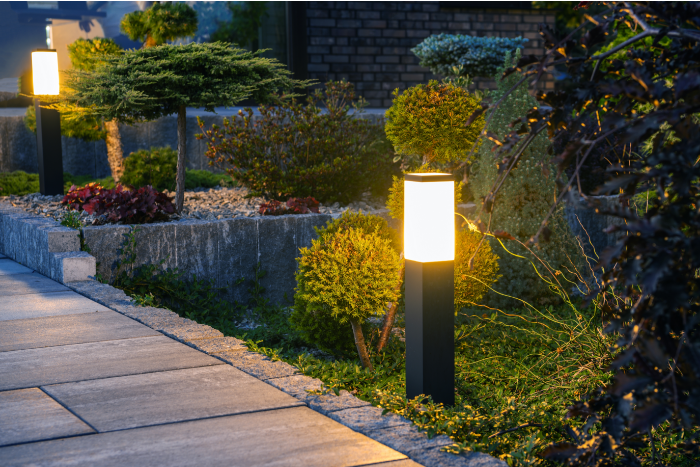
- Pathways: Use 12- to 18-inch low-voltage path lights, spaced about 8–10 feet apart. It’s a guidance system, not a runway.
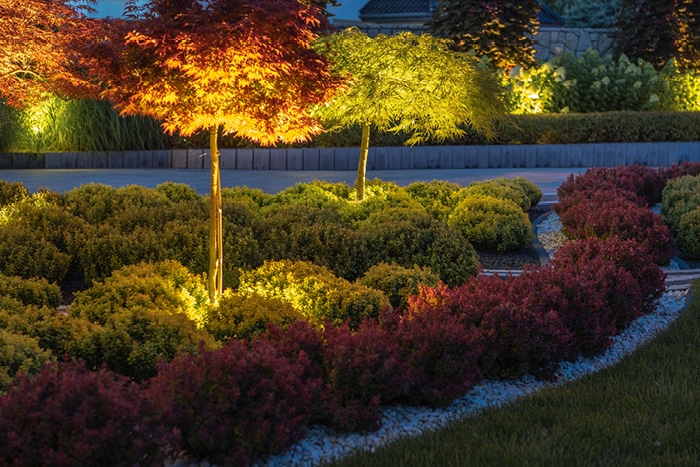
- Specimen trees: Use narrow-beam LED uplights to make those features pop.
- The walls: Don’t forget wall washers and grazing lights to show off the texture of brick or stone.
- Get smart: Use smart controls. Being able to dim the lights to create a late-night mood or adjust for the weather right from an app is a lifesaver for managers.
About the tech: Modern LED systems use 80%–90% less energy than those old power-hungry halogens and last over 25,000 hours. If you’re in a rough climate, stick with weatherproof fixtures rated IP65+ — they’ll handle the rain and dust without breaking a sweat.
“Efficient exterior lighting can often net you energy rebates and LEED points. It’s a win for the environment and the checkbook.”
Hotels
For a hotel, lighting is a welcome mat and a security blanket rolled into one. When a guest pulls in at midnight, they need to feel like they’ve arrived somewhere luxurious and safe. The big wins:
- The entrance: A bold look at the porte-cochère sets the tone for the whole stay.
- Navigation: The right lighting plan guides folks from the car to the pool to their room without any “where are we?” moments.
- Security: High-end lighting reduces liability and makes guests feel looked after.
Field notes and fixtures:
- The front door: Use adjustable LED spotlights on columns and signage.
- Step lights: Use recessed lights in walls or pavers. They provide “glare-free” navigation — safety without the squinting.
- Water features: Submersible LEDs in the pool or fountain add that “wow” factor.
- No light trespass: Use adjustable gimbal fixtures for trees and shrubs near guest windows. We want to light the tree, not the guest’s pillow.
- Management: Many hotels now link their lighting to property management systems. You can set scenes for weddings or holidays and keep things dark-sky-friendly to keep the neighbors (and the local wildlife) happy.
Commercial buildings
Whether it’s a medical center or a corporate campus, lighting says “we mean business.” It deters crime, can actually lower insurance premiums and makes employees feel safe. The big wins:
- Brand power: Your logo and building should be working for you 24/7.
- Safety first: The right lighting secures the loading docks, sidewalks and parking areas.
- Tenant comfort: Well-lit properties are simply more attractive to high-quality tenants.
Field notes and fixtures:
- Parking lots: Use high-lumen LED area lights and bollards with photocells so they know exactly when to kick on.
- Modern facades: Use grazing lights to accentuate glass and stone exteriors.
- Layered security: Combine your pathway lighting with your security camera placement for total coverage.
- Color temperature: Stick with 2,700 K–3,000 K. It’s professional and welcoming. Anything higher (meaning cooler color) starts to feel a bit like a sterile hospital hallway.
The bonus: Efficient exterior lighting can often net you energy rebates and LEED points. It’s a win for the environment and the checkbook.
Light up your future
At the end of the day, a professional lighting plan is an investment that pays off in higher occupancy and lower bills. Start with a solid plan that looks at foot-candle requirements and maintenance access. Partner with the pros who know the codes and the tech.
When you do it right, your property doesn’t just get lit — it comes alive.
Kevin Smith is the national technical support and trainer at Brilliance LED LLC, Carefree, Arizona, and can be reached at kevin.smith@brillianceled.com.