The American Society of Agricultural and Biological Engineers, St Joseph, Michigan, has published ANSI/ASABE S633, Testing Protocol for Landscape Irrigation Soil Moisture-Based Control Technologies.
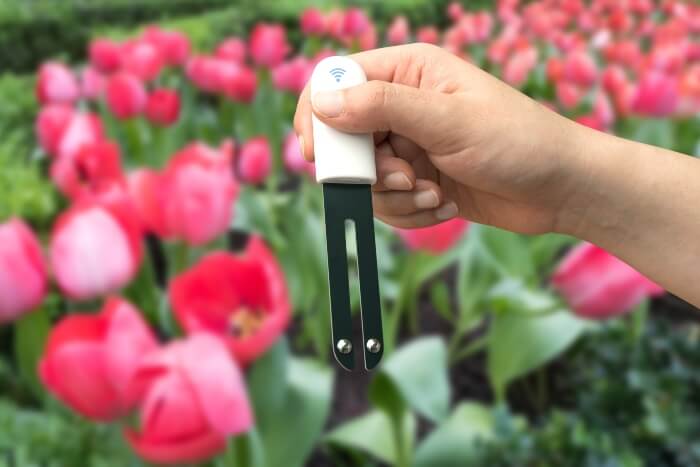
This new standard provides a test method to validate the responsiveness to changing soil moisture conditions of soil moisture sensing devices that integrate with irrigation controllers to better manage water resources in landscape settings.
ASABE members with standards access and those with site-license privileges can access the full-text via electronic download on the ASABE online Technical Library. Others can obtain a download for a fee directly from the library or by contacting ASABE headquarters.
ASABE is recognized worldwide as a standards developing organization for food, agricultural, and biological systems, with more than 280 standards currently in publication. Conformance to ASABE standards is voluntary, except where required by state, provincial or other governmental requirements, and the documents are developed by consensus in accordance with procedures approved by the American National Standards Institute.