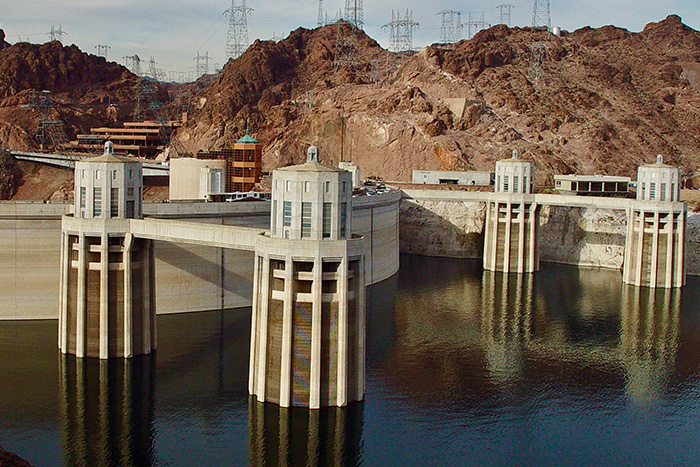
The Bureau of Reclamation, Washington, D.C., is lowering water reductions for the Colorado River Basin States thanks to improved drought conditions for Lake Mead.
Because of “improved hydrology, ongoing conservation efforts,” the reservoir’s status has shifted from level 2 to level 1 shortage condition, according to information provided by Reclamation.
“The above-average precipitation this year was a welcome relief and, coupled with our hard work for system conservation, we have the time to focus on the long-term sustainability solutions needed in the Colorado River Basin,” says Camille Calimlim Touton, Bureau of Reclamation commissioner. “However, Lake Powell and Lake Mead – the two largest reservoirs in the United States and the two largest storage units in the Colorado River system – remain at historically low levels. As we experience a warmer, drier West due to a prolonged drought accelerated by climate change, Reclamation is committed to leading inclusive and transparent efforts to develop the next-generation framework for managing the river system.”
As near- and long-term plans for the Colorado River basin states are developed, Reclamation will implement guidelines developed over the past two decades for the reservoirs. As a part of those plans, Lake Powell will operate in the Mid-Elevation Release Tier, and Lake Mead will operate in a Level 1 Shortage Condition through 2024.