The U.S. House of Representatives passed the Inflation Reduction Act of 2022, a multibillion-dollar package, on Aug. 12 tackling issues from climate change to health care costs, where $4 billion would go toward relief efforts in the Western U.S.
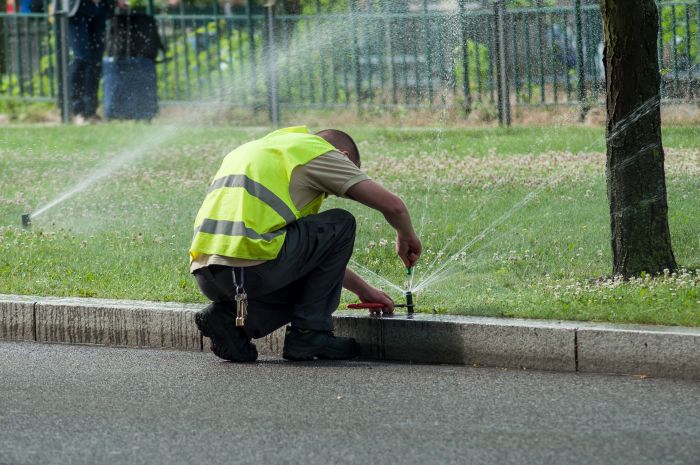
These drought funds allocated by H.R. 5376 sponsored by John Yarmuth, D-Kentucky, would target urban and agricultural water efficiency projects, such as replacing lawns with drought-resilient landscaping, as well as rural measures, including canal lining and leveling of drainage ditches, according to a press release submitted by U.S. Senator Dianne Feinstein, D-California.
Additionally, the bill promises $370 billion for energy security and climate change, which would include a number of tax credits to help people purchase new or used electric vehicles, such as electric lawn mowers, according to The Washington Post.
The bill would also create a $1.5 billion program that includes new payments for companies that cut methane emissions, with some penalties for firms that refuse.
Agriculture remains at the forefront of the bill, however. Administered by the U.S. Bureau of Reclamation over the next four years, the $4 billion in drought funds would go toward grants, contracts or financial assistance that intend to mitigate drought via voluntary reduced water use and diversions, water conservation projects, environmental efforts, and ecosystem and habitat restoration projects in drought-impacted river basins or inland water bodies, like the Salton Sea in California.
“The investments the legislation would make in agricultural conservation program funding and drought mitigation resources are important for the irrigation industry,” says Nathan Bowen, advocacy director at the Irrigation Association, Fairfax, Virginia. “We are monitoring this important legislation and looking for ways to assist the irrigation industry in making the most of potential opportunities in the coming months.”
The bill, a greatly reduced iteration of the Build Back Better Act, passed the U.S. Senate on Aug. 7 following a 50-50 tiebreaking vote from Vice President Harris, according to The Washington Post. The bill has been sent to President Biden, who is expected to sign it in the coming days.
McKenna Corson is the digital content editor for Irrigation & Lighting and can be reached here.