Low-tech testing, big water savings lessons from the USGA

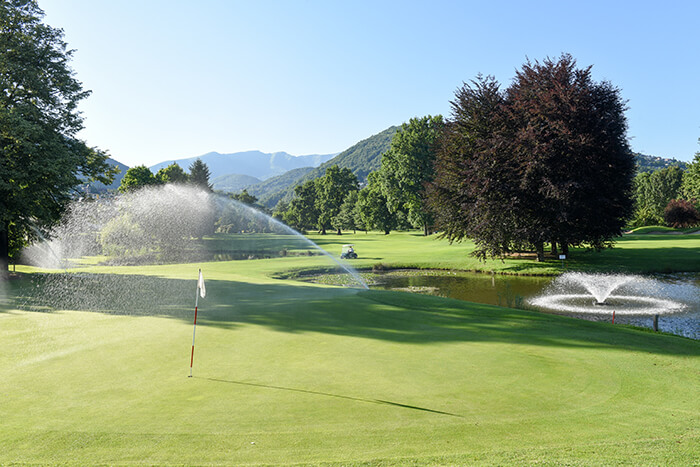
The United States Golf Association recently reported the results of its 15/30/45 Initiative, which aims to help courses cut water use by up to 45% over 15 years.
Field-tested practices from the USGA show how measuring irrigation performance can lead to immediate and measurable water-use reductions.

The United States Golf Association recently reported the results of its 15/30/45 Initiative, which aims to help courses cut water use by up to 45% over 15 years. Launched in 2022, the USGA is assisting courses with better managing irrigation to improve system efficiency and reduce water use. 

Using the simple Catch Can Test, Matteo Serena, senior manager of irrigation research and services for the USGA, helped the Los Serranos Golf Club, a public course in Chino Hills, California, reduce water usage by boosting water uniformity. The initial Catch Can Test showed uniformity of .60 (considered poor), which increased to .80 after replacing the heads and nozzles. 

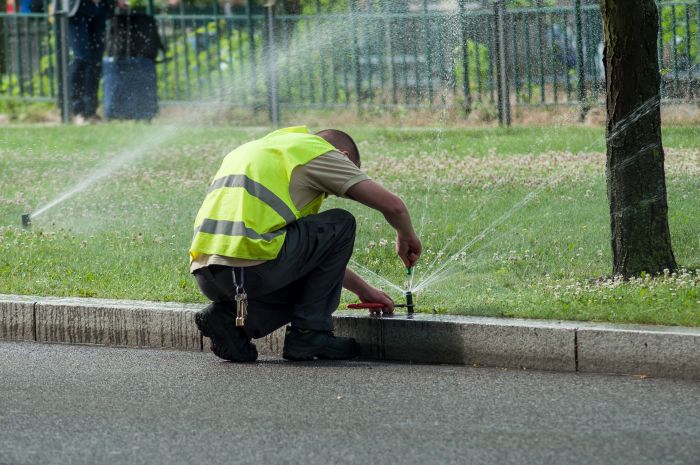
Heading into spring, with startups and new maintenance contracts, the results of the Catch Can Test serve as a reminder that routine audits and head maintenance can unlock significant water savings for customers, especially in drought-prone areas, under watering restrictions, and with high utility costs. 
 

In This Category

SiteOne-unveils-marketing-toolkit2
SiteOne Landscape Supply announced a leadership transition as longtime executive Scott Salmon prepares to retire, with Daniel Laughlin named as his successor.
RHS - Kate and Robert Bartlett at the RHS Awards in London
Robert Bartlett Jr., chairman and CEO of Bartlett Tree Experts, has been awarded the Elizabeth Medal of Honour by the Royal Horticultural Society—an international recognition reserved for individuals who have made significant contributions to horticulture.
AdobeStock_965574806
Rising gas prices and economic volatility come up in daily conversations, leaving many business owners, including irrigation contractors, wondering, “How will this impact this year’s irrigation season?” and “What adjustments will I need to make?”

Share on social media: