With the FIFA World Cup 2026 games well underway, Michigan State University has launched a series of stories highlighting how its collaboration with FIFA and the University of Tennessee is providing natural rather than artificial turf for the tournament. Half of the stadium fields are designed for artificial turf, and FIFA requires natural turfgrass on all playing fields.
Researchers from both universities worked to solve one of the biggest challenges—ensuring the natural turf across all fields is consistent. Fields were spread across three continents, 16 cities and three distinct climate zones.
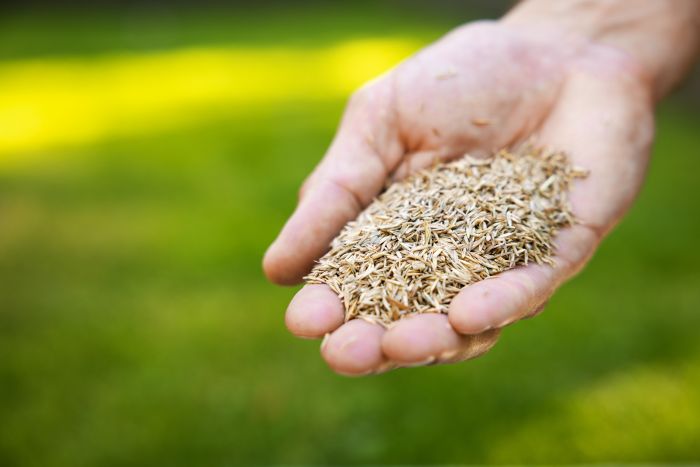
Turfgrass scientists at Michigan State University developed seed mixtures based on the stadiums’ climate zones. In some locations, fields received an 84% Kentucky Bluegrass and 16% perennial ryegrass blend, and others received a 100% bermudagrass. Partner farms grew the sod on plastic to preserve the root system for transportation in refrigerated trucks, installation and maintenance on the fields.
Turfgrass experts at the University of Tennessee, Knoxville oversaw the installation, testing and maintenance of the turfgrass across all stadiums. Their work spanned the five years leading up to the opening game, including irrigation maintenance and testing, root zone considerations, safety, athletic field performance, traction and more.