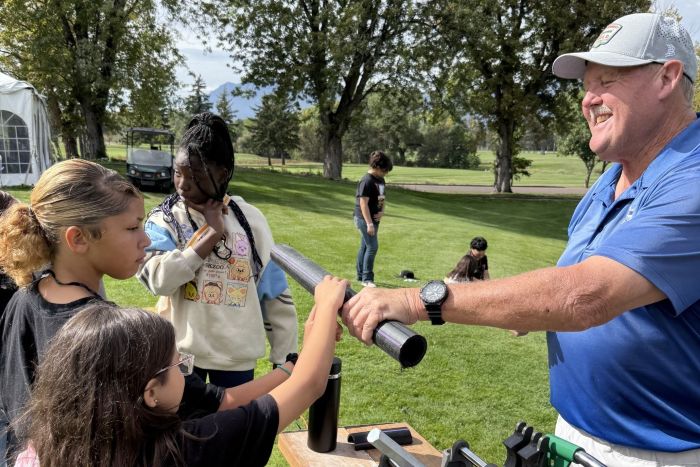
Andrew Moberly, CLIA, CIC, CIT, CWM, CLVLT, of Hunter Industries has been working in the irrigation industry for 17 years. As a product training supervisor, he focuses on developing and delivering training programs that help customers better understand products while also promoting irrigation best practices. A key part of this training is educating irrigation professionals on sustainable approaches to managing healthy landscapes, improving water efficiency and troubleshooting irrigation systems.
What first pulled you into irrigation—and what’s kept you in it?
I grew up in the irrigation industry and was always drawn to the technical side of it. What has kept me engaged over the years are the incredible people in the industry and the constant evolution of technology that continues to improve the way we manage water and landscapes.
How do you work to be a champion of promoting smart irrigation?
As part of Hunter’s training efforts, we actively promote sustainable irrigation practices through education and hands-on training. At the end of the day, an irrigation system is only as effective as the person managing it. My goal is to promote best practices to everyone who comes through our training programs and hopefully introduce new ideas and technologies they can apply in the field to improve efficiency and water management.
With drought affecting many areas of the country this summer, what role can smart irrigation play in helping communities reach their water saving goals?
Smart irrigation plays a critical role in helping communities conserve water while still maintaining healthy landscapes. Technologies such as weather-based controllers, pressure regulation, and properly designed systems can significantly reduce unnecessary water use by applying only the amount of water that is truly needed. Ultimately, it comes down to the people managing these systems, which is why training and education are so important to achieving long-term results.
If you could snap your fingers and fix one barrier to smarter irrigation adoption, what would it be?
One of the biggest barriers to smarter irrigation adoption is awareness and education. Many people simply do not know what they do not know when it comes to irrigation efficiency and water management. If I could fix one thing, it would be expanding access to training and education so the industry can better align around best practices and accelerate the adoption of smarter irrigation solutions.