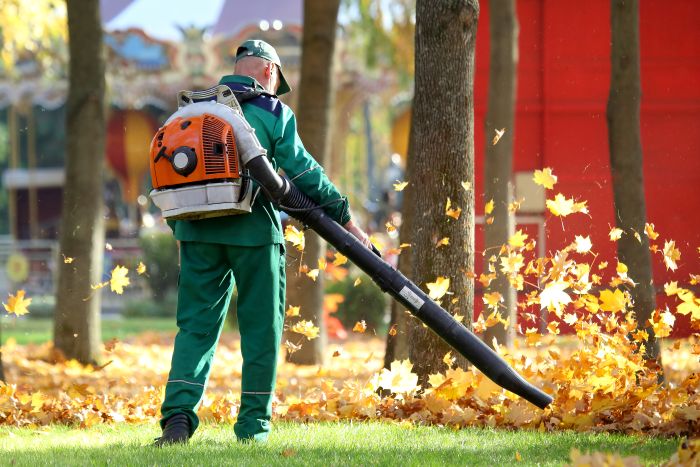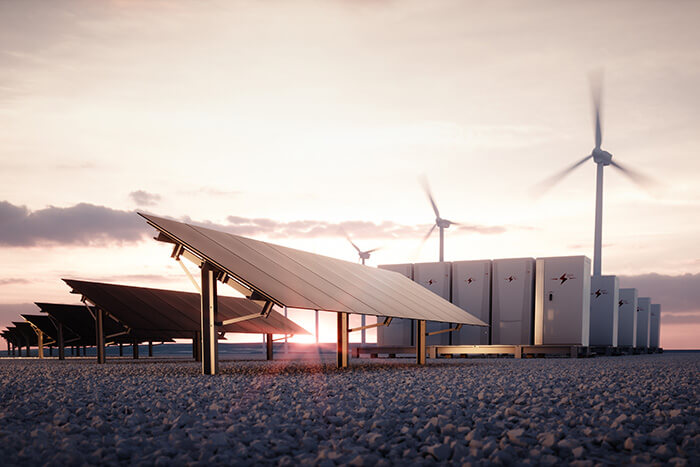
The National Association of Landscape Professionals, Fairfax, Virginia, and the American Green Zone Alliance, Los Angeles, will work together on an approach to the responsible transition from gas to zero-emission equipment in the landscape industry.
Landscape contractors care for America’s green spaces, which provide environmental benefits, including producing oxygen, sequestering carbon, providing energy savings and helping to manage stormwater run-off.
“The industry is committed to making a transition to zero-emission equipment in a time frame that is feasible,” says Britt Wood, NALP CEO. “Unfortunately, this is not just a light switch to turn on and off as landscape businesses will have to invest in new and more expensive equipment and build the infrastructure required to power the batteries needed for commercial operations.”
AGZA and NALP believe that the transition to zero-emission equipment will require:
• education and workforce development training
• infrastructure support including the capacity to charge the equipment within the community electric grid and at contractor’s facilities and in vehicles
• the knowledge and capacity for equipment dealers to maintain the equipment in a timely manner is in place
• the availability of battery-powered landscape equipment without supply-chain issues
• proper funding through tax credits and rebate programs.
“The American Green Zone Alliance is neutral on regulation, bans and restrictions, but instead prefers a solutions-based approach that involves the carrot versus a stick approach to help the landscape industry transition into lower-impact technologies,” says Daniel Mabe, American Green Zone Alliance president. “We think this collaborative approach with the landscape industry is the fastest path to help us reduce emissions from outdoor power equipment.”
NALP and AGZA will work together with federal, state and local policymakers to provide landscape industry companies with the resources and training needed to transition to battery-powered equipment.
“There isn’t a one-size-fits-all approach as different geographic regions of the country have different landscape equipment needs,” says Wood. “This transition will take time, and we look forward to working with AGZA, the landscape industry and policymakers on solutions that lead to widespread commercial usage of zero-emission equipment.”
Read more about NALP.