As reported by the Idaho Press, Nampa City Council unanimously approved a little over $3.8 million for a full irrigation retrofit at the city‑owned Centennial Golf Course, authorizing a contract with Mid‑America Golf and Landscape, Inc.
The city engaged Baer Design Group, LLC to deliver a modern design and work is slated to start in early spring and wrap late summer or early fall, funded through the FY2026 golf fund balance.
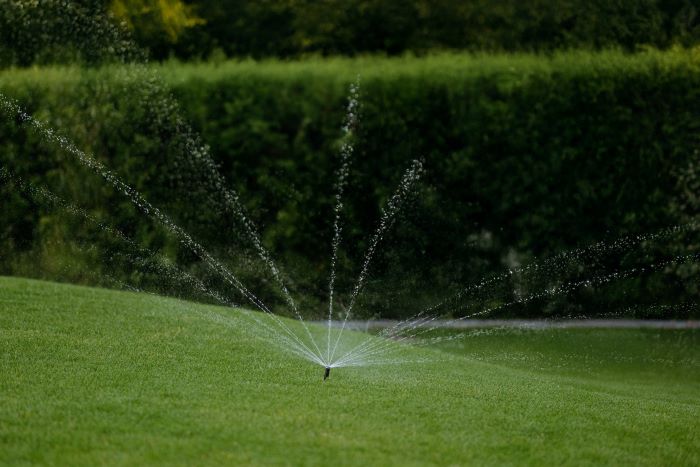
The project replaces a volunteer‑built system that’s beyond its useful life with triangulated head‑to‑head coverage, computerized central control and weather‑sensing stations to improve uniformity, reduce wiring and cut maintenance. New components and smarter scheduling aim to reduce downtime and lower water use while delivering more consistent turf conditions across the 6,700‑yard public course.
Golfers should expect minimal disruption: the city plans a one‑hole‑at‑a‑time approach and will add a temporary “19th” hole to preserve 18‑hole play during construction, with turf recovery following trenching.
Greens fees will increase in 2026 to support the irrigation work and other capital needs (adult weekday to $42, weekend to $49, with junior and senior/military adjustments), an investment city leaders say is essential to the course’s long‑term success and customer experience.