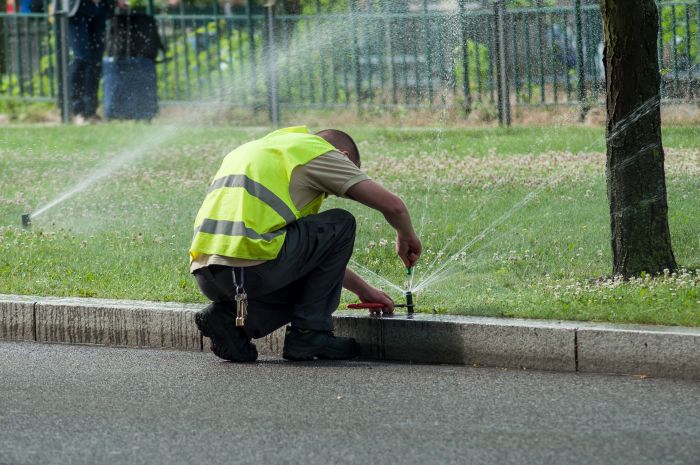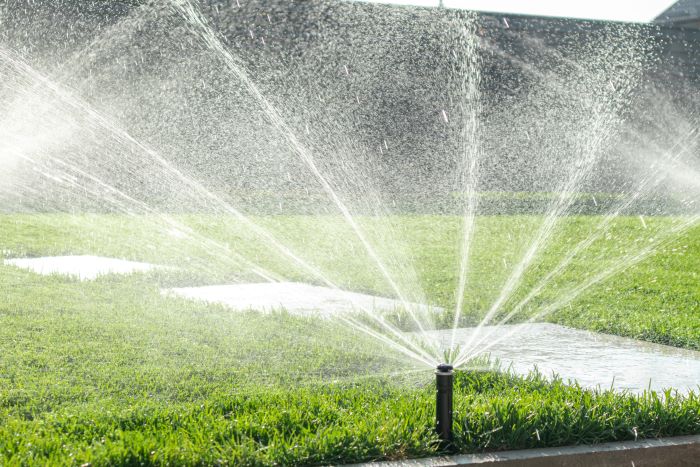
Central Iowa Water Works has lifted its request for metro-area residents to cut lawn irrigation by 25%, according to reporting by the Des Moines Register.
The regional utility, which serves about 600,000 customers, announced Friday, Aug. 15, that voluntary restrictions were no longer necessary after nearly two months of limited lawn watering. The authority first called for reductions June 12 as high temperatures, surging demand and elevated nitrate levels in the Des Moines and Raccoon rivers raised concerns about drinking water quality.
Des Moines Water Works, the utility’s largest member, ran its nitrate removal facility for 112 days this summer to keep concentrations below the U.S. Environmental Protection Agency’s 10 milligrams per liter threshold. Customers largely complied with the restrictions, officials said, and full irrigation resumed Aug. 7.
Tami Madsen, executive director of Central Iowa Water Works, said the utility is confident it can now accommodate demand while maintaining safe drinking water standards. She also noted the authority will review this year’s challenges “to better manage similar situations should they arise in the future.”